From the 1977 launches to the distant reaches of the Solar System. Explore the Voyager spacecraft, the planets they visited, the Golden Record and the famous Pale Blue Dot.
Two images in more detail
Notice this detail
Numerical tags help locate details described in catalog NASA. The original images remain unchanged; brands are a separate layer of our interpretation.
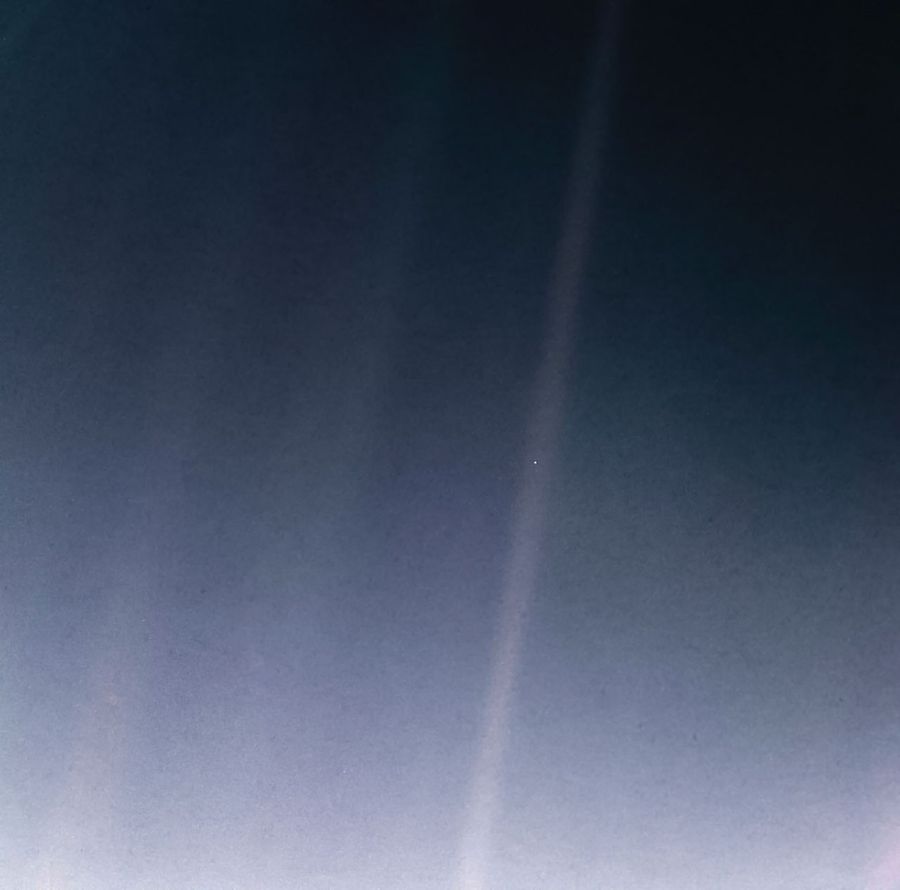
Pale blue dot, processing of original data from 2020. Original image credit: NASA/JPL-Caltech; Kevin M. Gill. Number tags added by this site.
1. Earth in a streak of light
Inside the mark is a tiny dot representing Earth. In the original recording, the planet occupied less than one pixel. The light streak across her position was caused by the scattering of sunlight in the camera's optics.
Voyager 1 took background images on February 14, 1990. NASA released a new rendering on the thirtieth anniversary of the Solar System family portrait. The color result was created by combining measurements through different filters.
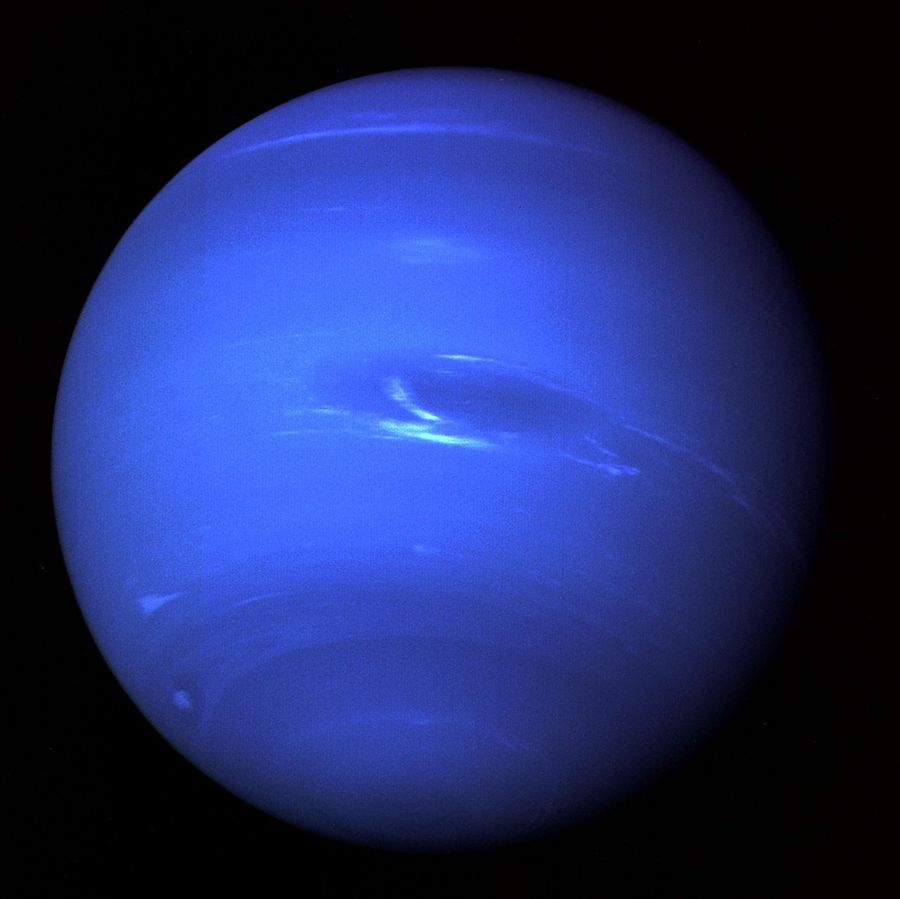
Neptune as measured by Voyager's narrow-angle camera 2. Original image credit: NASA/JPL. Number tags added by this site.
2. Bright clouds near a dark feature
The marker points to bright clouds near the Great Dark Spot. The official description of NASA lists other light and dark features in addition to this spot. Their resolution was part of Voyager 2's approach observations of the atmosphere.
This view of the entire reel was created by combining shots through a green and orange filter. The images were taken prior to closest approach; their color processing is part of the measurement presentation.
More details about what we directly read from the image and what conclusion requires analysis develop stories of discovery. For each image in the gallery you will find its origin and credit.